The Archive
In Frame
Every image here is evidence. Glamour, grief, triumph, and the occasional envelope error — the Academy Awards photographed as it happened.
Red Carpet Gallery
The carpet is not decoration — it is documentation. Fabric choices read as manifestos. Eye contact with the camera is a craft. These are the performers who understand the difference between arriving and making a moment.
On Stage Moments
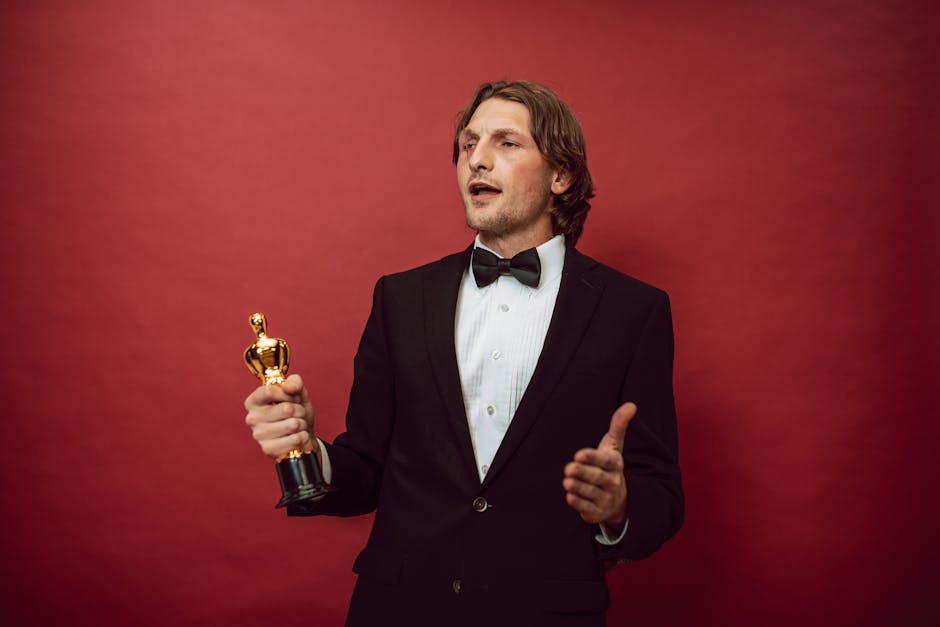
"The statuette is 8.5 pounds. Most winners forget it's there within seconds."On Stage — The Weight of the Moment
Trophies, tears, and the occasional forgotten name. The podium is where preparation meets improvisation. Read the speeches that rewrote the record books.
The best acceptance speeches are not written in advance. They emerge from the gap between rehearsed gratitude and genuine shock. The worst are read off paper. The ones remembered were spoken to the room — and to the camera — as if simultaneously.
Movie Posters Collection
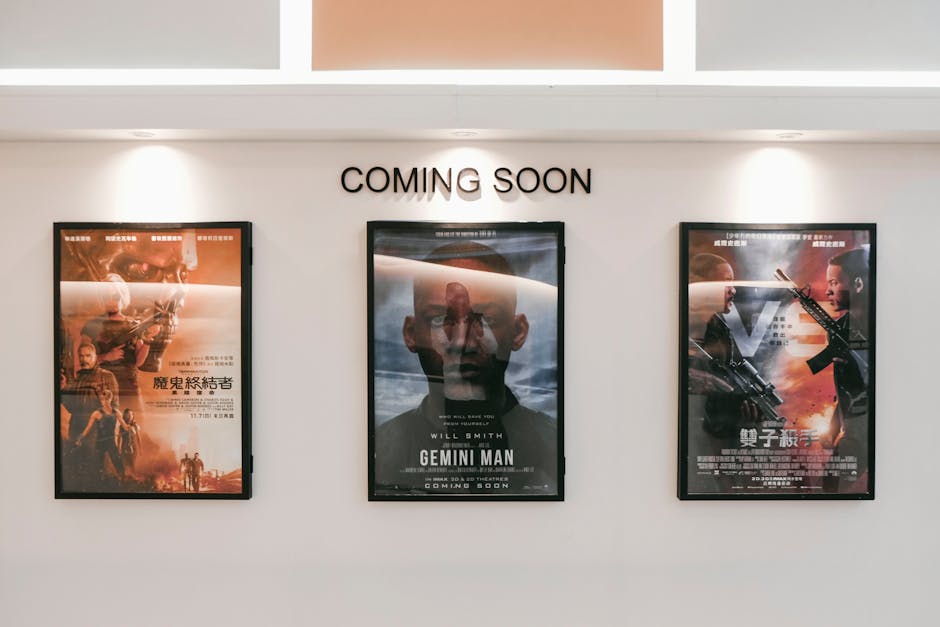
The poster is the first argument for a film's importance. By the time the Academy votes, the image has already done its work — plastered in lobbies, printed in programs, reproduced on the cover of the Sunday Times Arts section.
Best Picture campaigns live and die by this paper. The ones that win are rarely subtle. The ones remembered are bold, asymmetric, and slightly aggressive.
Browse the full record: Best Picture Winners — Complete History. Every winner had a poster worth framing.
Notable poster years
Behind The Scenes
Before the broadcast: the klieg lights are positioned, the teleprompters are loaded, and the envelopes are sealed in a building nobody can enter. The ceremony is a machine dressed as a party.
Rehearsal
Presenters run lines twice. Winners do not rehearse — they are not told in advance.
Ceremony Highlights
-
2017The Envelope Error
La La Land is announced. Producers hold trophies. Someone realizes the card is wrong. Moonlight wins. The broadcast freezes for eleven seconds. Full record →
-
2022The Walk
Will Smith crosses the stage. Chris Rock does not finish the sentence. The broadcast continues. The clip runs indefinitely. Notable moments →
-
2004LOTR Sweeps All
The Return of the King wins every category it is nominated in. Eleven awards. A record that may never be matched. See the nominations →
-
1990Rain Man vs. The Field
The ceremony runs 45 minutes over schedule. The director, Barry Levinson, accepts in 18 seconds. The orchestra does not play him off. He has nothing else to say.
-
1974The Streaker
David Niven is presenting when a man runs behind him. Niven improvises the best line of the night without missing a beat. Greatest speeches →
Historical Photos
The First Ceremony
May 16, 1929. Hollywood Roosevelt Hotel. Two hundred and seventy guests. The ceremony lasts fifteen minutes. Emil Jannings collects his award before the dinner so he can catch a boat home. The Academy is five months old.
Photography from this era exists in fragments: press stills, society-page portraits, the occasional studio publicity shot. The ceremony itself is not filmed.
- First Best Picture: Wings (1927/28)
- First ceremony with live radio: 1930
- First televised ceremony: 1953
- First color television broadcast: 1966
- First high-definition broadcast: 1998
Explore the complete winners archive: Best Picture — Every Year Since 1928. Ninety-six ceremonies. One through-line.